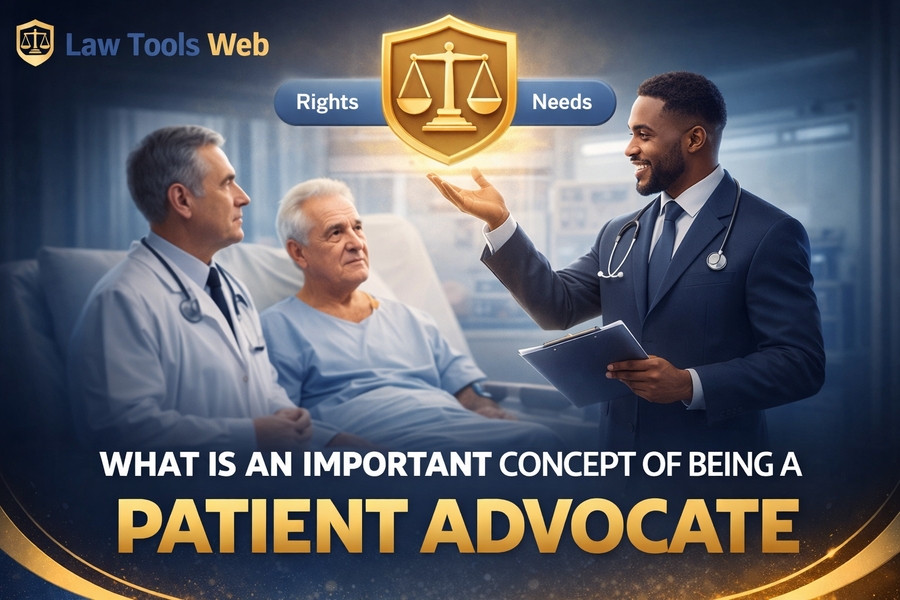
You may hear the term patient advocate often, yet many people still ask what an important concept of being a patient advocate truly means. Understanding this concept helps you protect your rights, communicate effectively with healthcare providers, and make informed medical decisions. When you grasp the core principles of patient advocacy, you position yourself to receive safer, more respectful, and more personalized care.
This article explains the most important concept of patient advocacy in a clear and practical way, so you can apply it confidently within the US healthcare system and understand why advocacy matters at every stage of care.
Understanding Patient Advocacy in Modern Healthcare
You live in a healthcare system that can feel overwhelming, fragmented, and difficult to navigate. Patient advocacy exists to ensure your needs, preferences, and values remain central throughout diagnosis, treatment, and recovery. When you understand advocacy, you gain the ability to participate actively instead of feeling powerless or confused.
Patient advocacy focuses on representing your interests within complex healthcare structures. It emphasizes clear communication, informed decision making, and respect for your rights. This approach is especially important in the United States, where healthcare delivery often involves multiple providers, insurance systems, and administrative requirements.
At its core, advocacy is about ensuring you are heard and understood. It connects clinical expertise with your lived experience, values, and goals. Without advocacy, important concerns may be overlooked, leading to misunderstandings or preventable harm.
In many situations, advocacy also supports fairness and access. It helps address gaps in care related to cost, insurance coverage, or systemic barriers. Understanding advocacy allows you to engage healthcare services with confidence and clarity.
The Most Important Concept of Being a Patient Advocate
You may encounter many definitions of patient advocacy, but empowerment consistently stands out as the most important concept. Empowerment means equipping you with the knowledge, confidence, and support needed to make informed decisions about your health. Instead of speaking over you, advocacy strengthens your ability to speak for yourself.
Empowerment shifts healthcare from a provider-centered model to a patient-centered one. You are encouraged to ask questions, weigh options, and express concerns openly. This concept recognizes that you are the expert on your own experiences, values, and priorities.
When empowerment guides advocacy, you become an active partner in care. This partnership improves communication, builds trust, and reduces errors. Empowerment is not about opposing medical professionals, but about collaborating with them from a position of understanding and respect.
This concept also supports long-term health outcomes. Empowered patients are more likely to follow treatment plans, recognize early warning signs, and seek timely care. Advocacy rooted in empowerment strengthens your role throughout the healthcare journey.
Why Empowerment Matters for Patients
You face critical health decisions that can affect your quality of life, finances, and future well-being. Empowerment ensures you understand those decisions rather than feeling pressured or confused. When you are informed, you can evaluate risks and benefits with clarity.
Empowerment also protects you from passive acceptance of care that may not align with your goals. You are more likely to ask for clarification, second opinions, or alternative treatments when you feel confident. This reduces the likelihood of unwanted procedures or misunderstandings.
Research consistently shows that empowered patients experience better outcomes. Studies in the US indicate that patient engagement can reduce hospital readmissions and improve treatment adherence. Empowerment transforms healthcare interactions into collaborative relationships rather than one-sided instructions.
This concept becomes especially important during serious illness or long-term treatment. Empowerment helps you maintain dignity and autonomy even in vulnerable situations. Advocacy ensures your voice remains central when it matters most.
Communication as the Foundation of Advocacy
You cannot be empowered without effective communication. Clear, respectful communication allows you to understand medical information and express your concerns accurately. Patient advocacy relies on open dialogue between you and healthcare professionals.
Medical language can be complex and intimidating. Advocacy ensures that information is explained in plain terms you can understand. This allows you to make decisions based on knowledge rather than assumptions or fear.
Strong communication also involves active listening. You deserve to feel heard when discussing symptoms, side effects, or emotional concerns. Advocacy supports this by encouraging providers to listen carefully and respond thoughtfully.
When communication breaks down, errors become more likely. Advocacy helps prevent misunderstandings that can lead to delayed diagnoses or inappropriate treatment. Clear communication strengthens safety, trust, and satisfaction within the healthcare system.
At this stage of understanding advocacy, it is also helpful to know how patient rights intersect with workplace protections, such as understanding FMLA eligibility requirements when health conditions affect employment.
Ethical Principles That Guide Patient Advocacy
You benefit from patient advocacy because it is grounded in strong ethical principles. These principles include respect for autonomy, confidentiality, beneficence, and justice. Advocacy ensures these values are upheld in real-world healthcare settings.
Respect for autonomy means your choices are honored whenever possible. Advocacy supports your right to accept or refuse treatment after receiving full information. This principle reinforces empowerment by recognizing your authority over your own body.
Confidentiality protects your personal health information. Advocacy ensures that sensitive details are shared only with appropriate consent. This builds trust and encourages honest communication between you and providers.
Justice ensures fair treatment regardless of background, income, or status. Advocacy helps address disparities by promoting equitable access to care. Ethical advocacy ensures your dignity and rights remain protected at all times.
Patient Advocacy and Healthcare Navigation
You often encounter administrative challenges such as insurance approvals, referrals, and appointment scheduling. Patient advocacy plays a critical role in helping you navigate these systems effectively. Empowerment allows you to ask questions and seek clarification when processes feel unclear.
Advocacy helps you understand coverage options, billing issues, and financial responsibilities. This reduces stress and prevents unexpected costs. You gain confidence in managing healthcare logistics rather than feeling overwhelmed.
Navigation support also ensures continuity of care. Advocacy helps coordinate communication between specialists, primary care providers, and support services. This coordination reduces duplication, delays, and confusion.
For patients managing chronic conditions or medical leave, understanding options such as what conditions qualify for FMLA leave can be essential.
The Role of Self-Advocacy in Patient Empowerment
You do not always need a formal advocate to benefit from patient advocacy. Self-advocacy allows you to take an active role in your healthcare decisions. Empowerment gives you the tools to speak up effectively.
Self-advocacy begins with preparation. You can write down questions, track symptoms, and research treatment options before appointments. This preparation helps you engage confidently with providers.
You also strengthen self-advocacy by understanding your rights. Knowing what to expect from healthcare professionals allows you to recognize when standards are not met. Advocacy empowers you to request clarification or escalate concerns when necessary.
Over time, self-advocacy builds confidence and resilience. You become more comfortable navigating healthcare systems and asserting your needs. This ongoing engagement supports better health outcomes and satisfaction.
Advocacy in Vulnerable and High-Risk Situations
You may face situations where advocacy becomes especially critical, such as serious illness, disability, or hospitalization. In these moments, empowerment ensures your wishes are respected even when stress or fear is high. Advocacy protects you from being overlooked during complex care.
Vulnerable populations often face additional barriers. Older adults, individuals with limited English proficiency, and patients with cognitive challenges may struggle to communicate needs. Advocacy ensures these voices are not ignored.
In high-risk situations, advocacy also enhances safety. It encourages careful review of medications, procedures, and discharge instructions. Empowerment allows you or your representative to ask critical questions that prevent errors.
Advocacy during vulnerable moments preserves dignity. It ensures compassionate care that aligns with your values and goals. Empowerment remains the guiding principle that keeps your interests central.
How Advocacy Improves Health Outcomes
You may wonder whether patient advocacy truly makes a measurable difference. Research indicates that engaged patients experience better outcomes, including fewer medical errors and improved adherence to treatment plans. Empowerment plays a key role in these improvements.
Advocacy reduces misunderstandings by encouraging clear explanations and confirmation of understanding. This leads to more accurate diagnoses and appropriate treatments. When you understand your care, you are more likely to follow recommendations.
Empowered patients are also more proactive about preventive care. They ask about screenings, lifestyle changes, and early interventions. Advocacy supports long-term wellness rather than reactive treatment.
In the US, patient engagement initiatives have been linked to improved satisfaction scores and reduced hospital readmissions. Advocacy rooted in empowerment benefits both patients and healthcare systems alike.
Advocacy Beyond the Clinical Setting
You experience the effects of health decisions beyond the doctor’s office. Patient advocacy extends into workplaces, insurance systems, and community resources. Empowerment helps you manage these broader impacts effectively.
Health issues can affect employment, finances, and family responsibilities. Advocacy ensures you understand available protections and resources. This includes navigating legal or workplace accommodations related to health.
Empowerment also supports informed conversations with employers and institutions. You are better prepared to explain needs and request reasonable adjustments. Advocacy strengthens your ability to balance health and daily life.
In some cases, understanding whether is a legal advocate a lawyer becomes relevant when exploring professional support options.
Building a Culture of Patient-Centered Care
You benefit most when advocacy is embedded into healthcare culture. Patient-centered care recognizes empowerment as essential rather than optional. This approach values collaboration, transparency, and respect.
Healthcare organizations increasingly emphasize shared decision making. Advocacy ensures your preferences guide treatment choices whenever possible. Empowerment strengthens trust between patients and providers.
A culture of advocacy also encourages continuous improvement. Patient feedback identifies gaps in care and system inefficiencies. Empowerment turns lived experience into valuable insight for healthcare reform.
When advocacy becomes standard practice, healthcare becomes safer and more humane. Empowerment remains the central concept that drives meaningful patient-centered care.
Conclusion
You now understand that empowerment is the most important concept of being a patient advocate because it places you at the center of your healthcare experience. Empowerment enables you to communicate effectively, make informed decisions, and protect your rights across complex healthcare systems.
When advocacy focuses on strengthening your knowledge and confidence, you become an active partner rather than a passive recipient of care. This concept improves safety, outcomes, and satisfaction while preserving dignity and autonomy. By embracing empowerment, you position yourself to navigate the US healthcare system with clarity, confidence, and purpose.